
When Performance Got Smarter
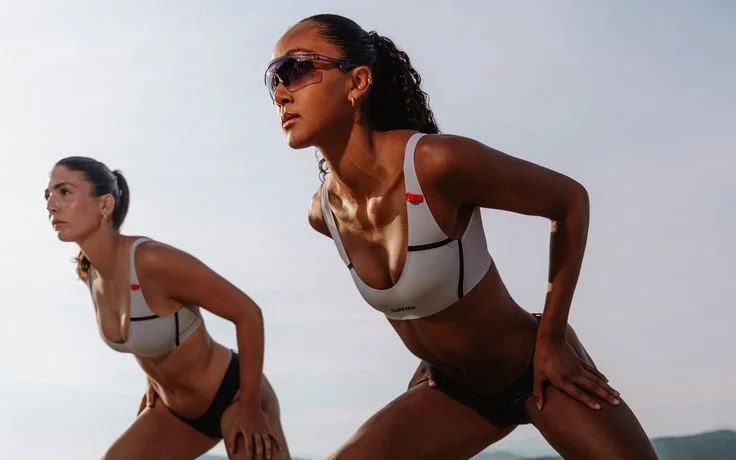
The Fabric Future: The Activewear & Lingerie Innovators Who Defined 2025
If the last few years hinted at a shift in performance fashion, 2025 was the moment it finally arrived. Activewear and lingerie - two categories once dominated by predictable fabrics and familiar silhouettes - suddenly felt fresh again. Driven by material science, sustainability, and a new wave of consumer expectations, the industry embraced innovation with real momentum. The result was a year filled with smarter textiles, boundary-pushing brands, and a renewed focus on comfort without compromising performance or aesthetics.
Activewear’s Breakout Stars of 2025
A few emerging labels proved that technical design could be both stylish and genuinely functional. Oner Active captured attention with collections engineered for hybrid use, offering garments that transitioned effortlessly from heavy lifts to high-impact workouts. Their 2025 releases showcased fabrics that didn’t just look sleek on social media - they performed in real gyms, bridging the long-standing gap between aesthetic fit and athletic durability.
Across the world, Australian brand STAX. created its own waves with ultra-lightweight, fine-gauge fabrics that felt almost weightless but still held their shape. Their launches consistently sold out, showing that consumers weren’t only seeking flattering silhouettes - they wanted elevated materials that delivered comfort, mobility, and performance. Together, these brands set a new bar for what modern activewear could feel like.
The Activewear Fabric Innovations Everyone Talked About
Behind the scenes, textile innovation was reshaping the activewear landscape - and a few pioneering brands helped turn laboratory breakthroughs into everyday garments. One of the most influential was PANGAIA, which launched one of the first commercial-scale activewear collections made from bio-based nylon and renewable-content stretch fibers. By pairing these materials with seamless knitting technology, PANGAIA proved that eco-conscious performance wear could deliver real compression, breathability, and flexibility.
Major players like Lululemon accelerated the shift by investing heavily in next-generation bio-nylon development. Their partnerships with biotech innovators signaled that renewable performance materials were no longer fringe experiments - they were the future of mainstream activewear. With influential brands championing these changes, bio-based polyamides made the leap from niche to viable commercial reality.
Simultaneously, advances in 3D and flat knitting allowed brands to create seamless garments with zoned compression, breathable panels, and sculpted support - all while drastically reducing fabric waste. Add in the growing use of thermoregulating finishes that adapt to body temperature and sweat levels, and 2025 became the year activewear truly evolved. Comfort, sustainability, and performance finally came together in a cohesive, consumer-ready way.
Lingerie’s New Wave of Design and Comfort
Lingerie experienced its own transformation in 2025, driven by brands that reimagined what intimate apparel could feel like. Bluebella continued its upward trajectory with designs that balanced sensuality with everyday comfort, creating pieces women wanted to wear not just for special occasions, but daily.
Alongside the established names, a new class of sustainable indie labels made a strong impression. CUUP pushed modern minimalism with technically engineered mesh that offered support without bulk. Parade championed softness and inclusivity with its use of recycled fabrics and vibrant, mood-lifting colors. LIVELY found its audience by blending lingerie with lounge, delivering breathable pieces that felt effortless from morning to night.
Eco-conscious brands like Organic Basics and Nudea helped move the category toward transparency and low-impact design. They embraced organic cottons, recycled lace, and gentle production methods, proving that sustainability can coexist beautifully with elegance. Together, these brands shaped a new wave of lingerie defined by softness, inclusivity, and planet-friendly materials.
The Materials Revolution Reshaping Lingerie
Perhaps the most intriguing development in lingerie came from the rise of biomaterials. Bolt Threads, known for its mycelium-based material Mylo, advanced its technology to create softer, more flexible bio-based textiles suitable for intimate apparel. Meanwhile, MycoWorks expanded the potential of its Fine Mycelium™ platform, offering designers a stable, high-quality bio-material that hinted at a future where lingerie components - like trim, soft-cup structures, or decorative accents - could be grown rather than manufactured.
Alongside these futuristic fabrics, the industry saw important progress in circular design. Companies like Elastic Interface and YKK developed recyclable and bio-based elastics, stretch fibers, and hardware that reduced the environmental impact of garments traditionally difficult to recycle. Sustainability-focused brands such as Nudea and Organic Basics began integrating compostable trims and recyclable components into their collections, making steps toward solving one of lingerie’s biggest challenges: mixed-material waste.
These innovations - whether grown in a lab or engineered for easier recycling - signaled a meaningful movement toward a more circular lingerie future. Even small component changes, like switching to compostable elastics, helped move the industry closer to low-waste, high-comfort intimate apparel.
Why 2025 Was a Turning Point
What made 2025 so significant was not any single innovation but the convergence of many. Bio-based fibers became genuinely performance-ready. Seamless knitting technologies matured. Lingerie and activewear brands embraced transparency and low-impact materials. And biomaterials moved from experimental prototypes to early commercial applications. For the first time, performance, comfort, and sustainability were no longer competing priorities - they began working in harmony.
Consumers felt the difference, too. Clothing became softer, more technical, more breathable, and more responsible. Designers gained access to materials that allowed for better fit, deeper functionality, and more creative freedom. Manufacturers adopted practices that reduced waste and future-proofed their supply chains.
What 2026 Could Bring
With the foundations laid in 2025, 2026 is poised for acceleration. Full collections made from bio-based nylon could become the new standard. Mycelium materials will continue improving in softness and durability, potentially making their way into mainstream lingerie ranges. Activewear is expected to lean even further into seamless, body-mapped silhouettes, while lingerie labels refine circular design systems with recyclable trims and next-gen elastics.
If 2025 was the spark, 2026 may be the year these innovations scale.