
Speedfactories, Microfactories, and the Flexible Future
The fashion industry faces challenges with traditional manufacturing, particularly in bodywear. The solution is the microfactory: an agile, localised ecosystem integrating digital technologies such as 3D printing, automated cutting, robotic sewing, and intelligent knitting. Microfactories represent the future of responsible, responsive, and revolutionary manufacturing - especially for brands exploring licensing and rapid product launches.
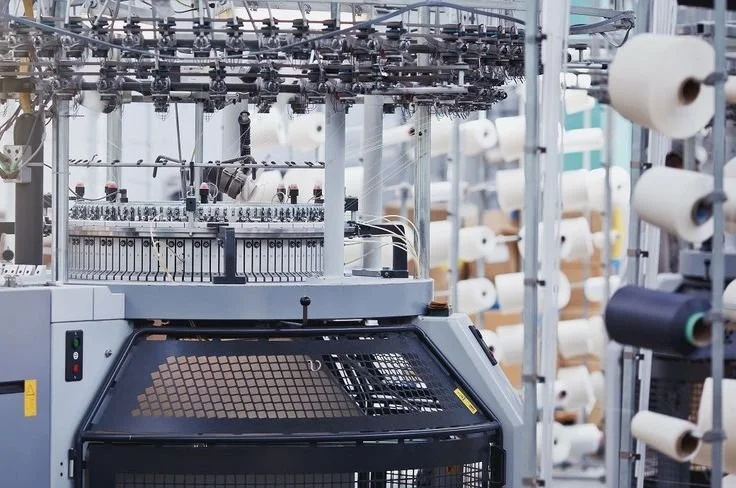
AGILITY REDEFINED: SPEED THAT SHAPES DESIRE
Microfactories drastically reduce lead times, offering significant benefits for brands:
Rapid Prototyping, Perfected: Designs move from sketch to wearable sample in record time, allowing efficient iteration. Adidas famously used "Speedfactories" for rapid footwear, and in bodywear, this approach allows quick testing of prototypes for comfort, fit, and integration. This speed is particularly valuable for licensed collections and capsule drops.
Responsive Innovation: Brands can quickly capitalise on emerging trends or refine designs based on real-time feedback. Agile supply chains, exemplified by Zara, are enhanced by microfactory setups, enabling fast launches of new fabrics, lace patterns, or product variations.
Strategic Adaptability: Smaller, more frequent production runs free up capital and allow brands to test concepts efficiently. Platforms such as ZYOD demonstrate how agile setups can achieve smaller MOQs and faster turnarounds, benefiting niche underwear brands and larger players alike.
SUSTAINABILITY WOVEN IN: CONSCIOUS CREATION
Microfactories inherently support more sustainable production:
Minimised Waste: On-demand or small-batch production dramatically reduces fabric off-cuts and eliminates overproduction, supporting sustainability goals championed by brands such as Patagonia. Precise cutting techniques are particularly valuable in intimate apparel and shapewear.
Localised Impact: Decentralised production shortens supply chains and reduces transport emissions, as seen in initiatives like Saitex in Los Angeles.
Ethical Oversight: Smaller-scale, local operations allow greater transparency, better labour conditions, and fair wages—critical considerations for brands entering licensing agreements.
INNOVATION ELEVATED: CRAFTING THE FUTURE OF BODYWEAR
Microfactories also drive innovation in design, performance, and functionality:
Precision Personalisation: Advanced technology enables unprecedented customisation. Brands such as Nike (Nike By You), Louis Vuitton (Mon Monogram), and ThirdLove demonstrate how personalisation—from custom compression zones to bespoke sizing—can be scaled in agile facilities.
Material Exploration: Microfactories enable rapid testing of new textiles and smart fabrics. Participation in events such as Performance Days or Functional Fabric Fair helps brands stay ahead in material innovation, similar to initiatives by Stella McCartney in high-tech collections.
Seamless Digital Integration: A fully digital workflow—from 3D design to robotic assembly—enhances precision and consistency, revolutionising fit in intimate apparel and activewear. Advanced body-scanning and 3D design technologies allow brands to maintain quality and brand integrity across licensed or mass-market products.
LOCALISED & GLOBAL: THE BLENDED SUPPLY CHAIN ADVANTAGE
Combining local microfactories with strategic international partners creates a flexible, efficient production model. Local production is ideal for luxury capsule drops, rapid prototyping, and small-batch runs, while vetted overseas facilities provide cost-competitive options at manageable volumes. This blended approach supports fast, high-quality launches, enables testing of new product categories or markets, and helps maintain brand reputation in licensing agreements.